If you’re doing Whole30 and constantly asking “Can I have this?”, you’re not failing… you’re doing it right! (And you’re asking the right questions!)
Whole30 rules are simple in theory, but real-life food labels aren’t. Ingredients change, brands vary, and many foods live in confusing gray areas that aren’t clearly allowed or disallowed without context. That’s why most people end up second-guessing themselves in the grocery store or scrolling forums for answers. It can be SO confusing and feel super overwhelming… Which is where I come in!
This Whole30 Can I Have List is designed to give you clarity — fast. Inside, you’ll find clear guidance on foods, brands, and ingredients, including what’s allowed, what’s not, and how to think through gray areas so you can make confident decisions without obsessing over every label.
Whether you’re just starting Whole30 or deep into the 30 days, this guide helps you answer the question “Can I have this?” with confidence… and move on with your day!
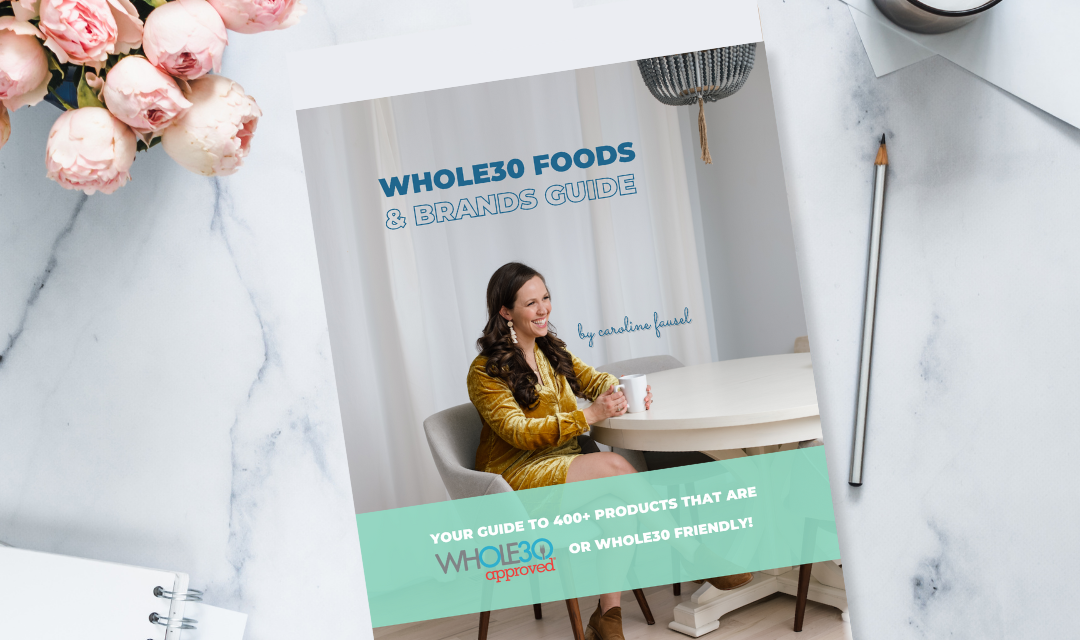
This Whole30 Can I Have List (and the corresponding Whole30 Foods and Brands Guide) is a culmination of seven years of work! For seven years, we’ve been creating SO many different Whole30 Approved and Compliant lists for you. And finally, we’ve compiled it into one big, HUGE, *free* Whole30 Foods and Brands Guide!!
I can’t tell you how thrilled I am!!
We have listed OVER 400 PRODUCTS that are either Whole30 Approved or Whole30-friendly in this guide! Can you believe it?! It makes me so thrilled that companies are making cleaner, healthier products!
It’s really so exciting to me because when I first did a Whole30 in June of 2014, there were hardly ANY Whole30 brands… There were basically zero Whole30 Compliant products out there. Picture a younger Caroline, hand making EVERY sauce. Honestly, that’s really how this blog came about!
When you download the guide below, it will have instructions for how to best navigating finding exactly what you need! My hope is that this guide makes your Whole30 so much easier and tastier- enjoy!
Download my FREE Whole30 Foods and Brands Guide here!
Want the full Whole30 Can I Have Guide in one place?
Download the printable Whole30 Foods and Brands Guide so you can quickly check what’s compliant without endless searching!
Get the extensive Whole30 Can I Have List here and now:
If you’d rather browse or search for a specific food or ingredient right now, use the table of contents below to jump to exactly what you need.
So how did we come up with the brands in our guide?
We used the Whole30 rules and ingredients to determine the Whole30 Foods and Brands for our guide! (You can also check out the Whole30 website here).
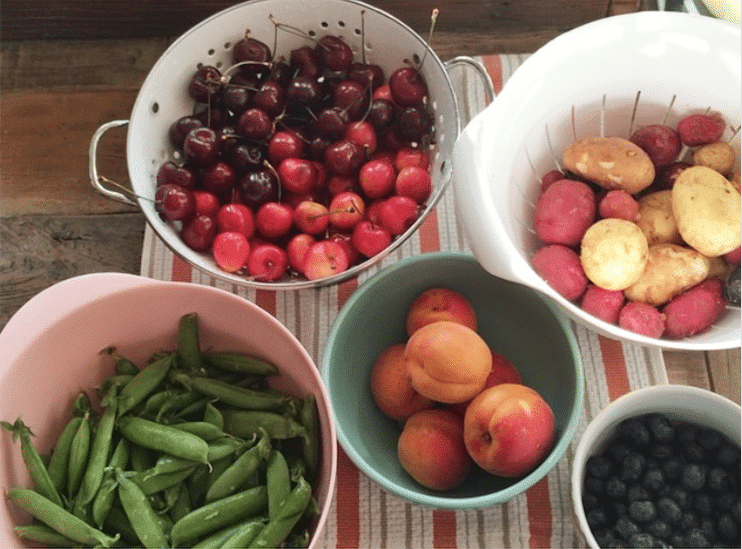
Table of Contents
Start Here
- How This Whole30 “Can I Have” List Works
- Proteins & Meat
- Seafood & Fish
- Eggs & Egg-Based Foods
- Vegetables & Starches
- Fruits
- Nuts, Seeds & Nut Products
- Fats & Oils
- Grains
- Additives
- Condiments & Sauces
- Sweeteners & Flavorings
- Beverages
- Snacks & Convenience Foods
- Dairy & Dairy Alternatives
- Baking, Treats & Substitutes
- Eating Out
- Supplements & Miscellaneous
- Final Help & Resources
How This Whole30 “Can I Have” List Works
This list is designed to help you quickly answer the question “Can I have this on Whole30?” without overthinking or bouncing between multiple sources… There used to be this MASSIVE Whole30 Can I Have database back in the day, and this is my best attempt at recreating it 🙂
Each section in the table of contents is clickable, so you can jump straight to the food, ingredient, or category you’re questioning. If you’re looking for something specific, you can also use Command + F (Mac) or Control + F (PC) to search the entire page instantly.
For each item, you’ll see clear guidance on whether it’s allowed, not allowed, or falls into a gray area, along with a short explanation of why. When a food or ingredient needs more detail (such as brand recommendations, label-reading tips, or common ingredient pitfalls) you’ll find links to deeper blog post resources where applicable.
If something isn’t listed yet, it doesn’t necessarily mean it’s not allowed. Use the logic explained here to evaluate the ingredients and decide whether it aligns with Whole30 rules and intentions.
This page is meant to be a living reference: something you can come back to throughout your Whole30 whenever a “Can I have this?” question pops up.
Proteins & Meat
-
Chicken: is compliant.
-
Beef: is compliant.
-
Pork: is compliant.
-
Deli Meat: some brands are compliant. Avoid sweeteners, soy, and sulfites.
-
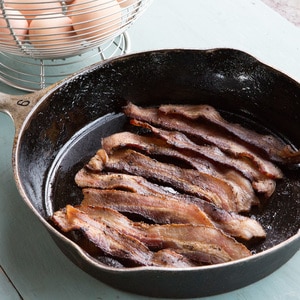
Bacon: some brands are compliant. Avoid sweeteners, fillers (soy, cornstarch), and dairy.
-
Sausage: some brands are compliant. Avoid sweeteners, fillers (soy, cornstarch), and dairy.
-
Hot Dogs: some brands are compliant. Avoid sweeteners, fillers (soy, cornstarch), and dairy.
-
Rotisserie Chicken: is typically compliant. Avoid sweeteners, fillers, and butter.
- Bone Broth: some brands are compliant. Avoid gluten, grains, soy, sweeteners, and fillers.
- Protein Powders: some protein powders are compliant, mainly animal, egg, and pea-based protein powders. Click here to read my comprehensive post about smoothies on your Whole30.
Seafood & Fish
-
Fish: is compliant.
-
Shrimp: is compliant.
-
Canned Tuna: is compliant. Look for tuna packed in water or olive oil without fillers.
-
Smoked Salmon: is compliant. Look for tuna packed in water or olive oil without fillers.
-
Crab & Lobster: is compliant.
Eggs & Egg-Based Foods
-
Eggs: are compliant. Baking is not compliant.
-
Egg Whites: are compliant. Baking is not compliant.
-
Egg-Based Sauces: are compliant if all ingredients are compliant. Mayonnaise: some brands are compliant.
- Egg wraps: single-ingredient egg wraps in the form of tortillas are compliant.
Vegetables & Starches
- Corn: is NOT compliant.
- French fries: are NOT compliant. Julienne-cutting potatoes or sweet potatoes and cooking them at home, is though!
- Peas: as of March 2020, peas ARE compliant. This is an exception to the “no legumes” rule. Peas that are compliant are: bean sprouts, green peas, sugar snap peas, snow peas, yellow peas, and split peas.
- Plantains: are allowed, provided they are not commercially- prepared as deep-fried chips or fried plantains. Cooking plantains in oil at home is compliant.
- Potatoes: as of August 2014, potatoes ARE compliant, provided they are not prepared as deep-fried chips or fries.
- Sweet Potatoes: are compliant.
- Cassava & Yucca: are compliant. No commercially-produced fries, chips, or tortillas.
Fruits
-
Fresh Fruit: is compliant.
-
Dried Fruit: is compliant.
-
Dates: are compliant. Date syrup is not compliant.
-
Applesauce: is compliant if unsweetened.
-
Fruit Juice: is compliant, though there is consideration here to blood sugar regulation.
Nuts, Seeds & Nut Products
- Almond butter: unsweetened almond butter is compliant.
- Almond Flour: is compliant for savory applications. Remember baking is not compliant.
- Coconut flour: is compliant for savory applications. Remember baking is not compliant.
- Nuts: are compliant. Compliant nuts include, but are not limited to: almonds, cashews, peanuts, pistachios, walnuts, pecans, and hazelnuts.
- Nut butter: is compliant when unsweetened. (Note: peanut butter is NOT compliant as it is a legume).
- Seed butter: is compliant when unsweetened.
- Seeds: are compliant. Compliant seeds include, but are not limited to: chia, flax, hemp, pumpkin, sunflower, and sesame seeds.
- Peanut Butter: is NOT compliant as peanuts are a legume. Opt for other unsweetened nut butters instead.
- Grain-free cereals: as of 2024, grain-free cereals are compliant as long as all ingredients are compliant.
- Grain-free granolas: as of 2024, grain-free granolas are compliant as long as all ingredients are compliant.
- Tahini: is compliant.
Fats & Oils
Click here for my comprehensive guide to Whole30 Oils and Fats. Note that as of August 2024, all seed oils (including canola, sunflower, safflower, grapeseed, and soybean) are officially allowed on the Whole30 program. You may still want to prioritize fats like ghee, olive oil, and avocado oil, if possible.
- Butter: is NOT compliant. Use ghee instead.
- Canola Oil: is compliant.
- Olive Oil: is compliant.
- Avocado Oil: is compliant.
- Coconut Oil: is compliant.
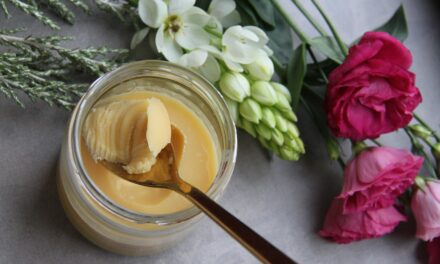
- Ghee (or clarified butter): is compliant and is an exception to the no dairy rule. It is compliant because this is a form of butter that doesn’t include the potentially-harmful proteins.
- Grapeseed oil: is compliant.
- Rice bran oil: is compliant.
- Soybean oil: is compliant.
- Sunflower oil: is compliant.
Grains
Grains are NOT compliant with the Whole30.
This includes, but is not limited to:
- Amaranth
- Barley
- Corn
- Buckwheat
- Farro
- Millet
- Oats
- Quinoa
- Rice
- Rye
- Wheat
Pasta: is NOT compliant unless they are 100% vegetables, like zoodles.
Beans
Beans are NOT compliant with the Whole30.
This includes, but is not limited to:
- black beans
- black-eyed peas
- chickpeas (garbanzo beans)
- chili beans
- kidney beans
- lima beans
- navy beans
- pinto beans
Exceptions are: bean sprouts, green beans, green peas, sugar snap peas, snow peas, yellow peas, and split peas. These ARE compliant for your Whole30.
- Hummus: is NOT compliant. However, make my bean-free, Whole30 compliant hummus recipes, click here for my cauliflower hummus recipe and click here for my cashew hummus recipe.
Additives
There are only 3 additives that are NOT compliant: corn starch (as a derivative of corn, which is a grain), rice bran (as a derivative of rice), and soy lecithin (as a derivative of soy) on the program.
Additives that ARE compliant are:
- acacia gum
- acacia inulin
- acetic acid
- agave inulin
- alpha tocopherol
- ascorbic acid
- carrageenan: as of a 2024 rule change, carrageenan is now compliant.
- citric acid
- ferrous gluconate
- gellen gum
- guar gum
- locust bean gum
- MSG
- natural flavors
- niacin
- nitrates / nitrites
- nutritional yeast
- riboflavin
- sodium citrate
- sulfites / sulfates
- sunflower lecithin
- xanthan gum
- This list is not exhaustive!
Condiments & Sauces
- BBQ Sauce: Compliant brands are fine- avoid sweeteners.
- Coconut Aminos: are compliant and are a lovely replacement to soy sauce.
- Hot Sauce: is typically compliant. Avoid sweeteners.
- Ketchup: Compliant brands are fine- avoid sweeteners.
- Liquid Aminos: are not compliant as they are derived from soy.
- Mayonnaise: some brands are compliant. Avoid sweeteners. Prioritize mayonnaises made with olive oil or avocado oil when possible.
- Mustard: most brands and varieties are compliant. Avoid dijon mustard with white wine.
- Pasta Sauce: You can use pasta sauce to cook meats, and over things like zoodles, approved meatballs, shrimp and seafood, roasted vegetables, baked eggs, etc. Avoid sauces that contain added sugar, dairy and soy.
- Salad Dressing: some brands are compliant. Avoid sweeteners, dairy, soy, and gluten. Prioritize olive oil and avocado oil-based dressings, if possible.
- Salt: is compliant.
- Soy Sauce: is not compliant, even the gluten free versions. Soy and gluten are not compliant.
- Vinegars: are compliant. The only exception are malt vinegar (it contains gluten) and vinegars with sugar.
Sweeteners & Flavorings
Added sweeteners are NOT compliant. Remember that sugar is about the ingredient being listed in the ingredients list, NOT the grams of sugar on the nutrition panel. (If a bar has meat and fruit in it, it will have some grams of sugar listed. If there are no ADDED forms of sugar in the ingredients list, assuming all ingredients are compliant, that product is compliant). Fruit and fruit juices can be used to sweeten things like sauces, sparingly.
- Allulose: is NOT compliant.
- Brown sugar: is NOT compliant.
- Honey: is NOT compliant.
- Maple Syrup: is NOT compliant.
- Monk Fruit: is NOT compliant.
- Dark chocolate: is NOT compliant. 100% cacao is compliant, though baking is not compliant.
- Date syrup: is NOT compliant. Use whole dates instead.
- Dates: are compliant. They are found in compliant bars, and can be used to sweeten a sauce. No date pastes or syrups are allowed, though.
- Stevia: is NOT compliant.
- Sugar: is NOT compliant.
- Vanilla Extract: pure vanilla extract is Whole30 compliant as of a 2019 rule change. Remember baking isn’t allowed, and avoid sweeteners.
- Other Extracts: Botanical extracts (like Pure vanilla extract, lemon, lavender, peppermint) are compliant. Avoid sweeteners.
Beverages
Click here for my comprehensive guide on Whole30 beverages.
-
Coffee: black coffee is compliant. Sweeteners are not compliant. Unsweetened, dairy-free and grain-free milks are allowed. Click here for to read my comprehensive post about coffee on your Whole30.
-
Tea: is compliant. Sweeteners are not compliant. Unsweetened, dairy-free and grain-free milks are allowed.
- Kombucha: is nuanced. It is compliant if there is no sugar on the ingredients label. Click here for my full explanation.
-
Sparkling Water: unsweetened is compliant.
- Coconut Water: is compliant when unsweetened.
-
Alcohol: is NOT compliant. Botanical extracts (like Pure vanilla extract, lemon, lavender, peppermint) are the only exception to this rule.
- Smoothies: are compliant as of a 2024 rule change around fruit. Click here to read my comprehensive post about smoothies on your Whole30.
Snacks & Convenience Foods
-
Jerky: some brands are compliant. Avoid sweeteners, soy, and gluten.
-
Chips: are NOT compliant, even if the ingredients are compliant. This includes, but isn’t limited to: potato, sweet potato, tortilla, plantain, cassava, or taro chips.
-
Popcorn: is NOT compliant.
-
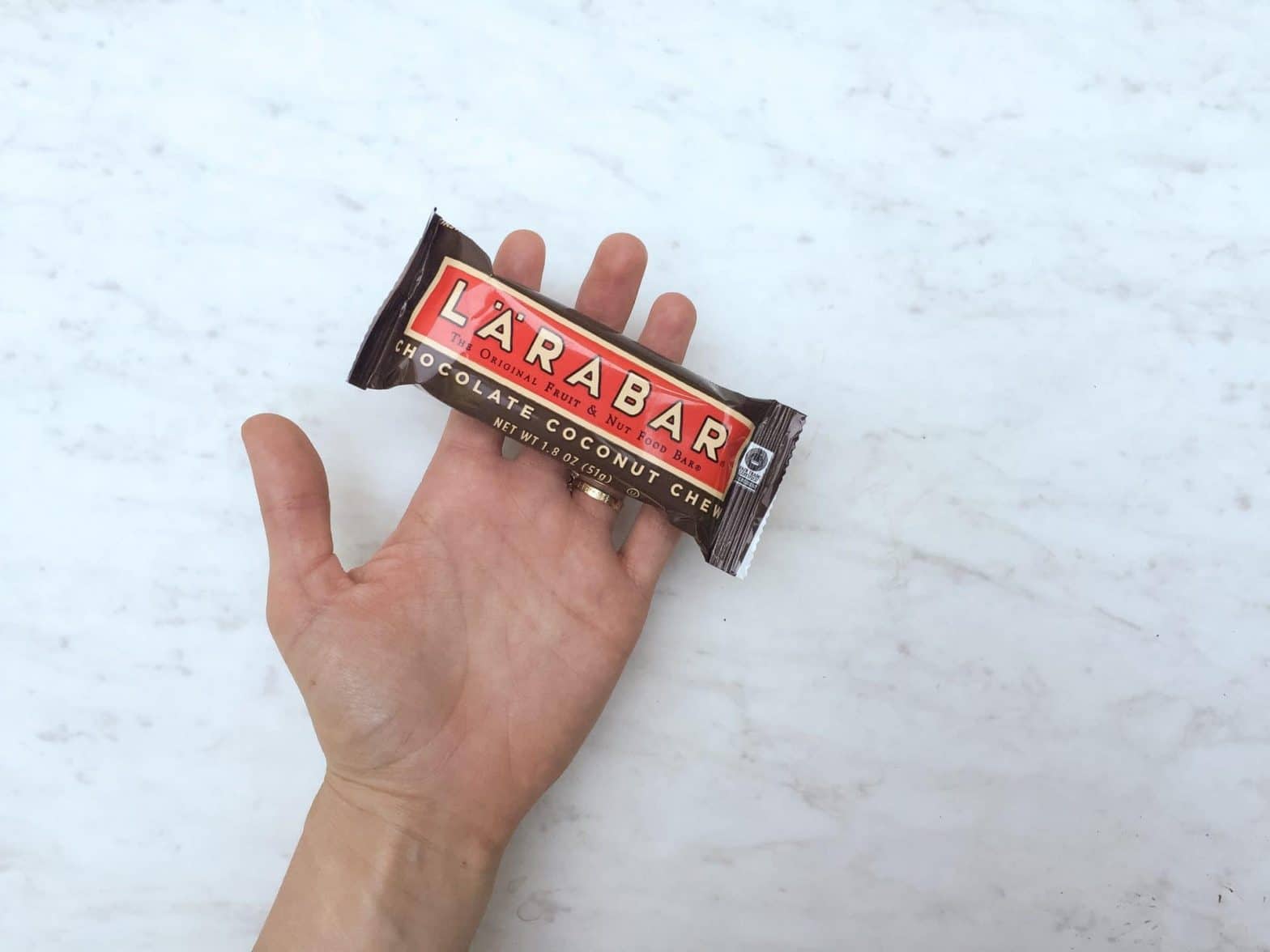
Protein Bars: some bars are compliant and make great “emergency food.” Look for bars using animal-based protein, fruit, nuts, seeds, and healthy fats. Snacks are generally discouraged, and be sure not to use fruit bars like a candy bar.
Dairy & Dairy Alternatives
- Almond Milk: unsweetened almond milk is compliant.
- Cheese: is NOT compliant. No dairy is Whole30 compliant. Click the link below for my dairy-free cheese alternative recommendations.
- Coconut Milk: unsweetened coconut milk is compliant.
- Dairy free cheeses: are in a gray area – check out my comprehensive blog post for more info and brands.
- Dairy free milks: some brands are compliant if they are made from nuts and are unsweetened. Check out my posts above for almond and coconut milks.
- Dairy free yogurt: some unsweetened brands are compliant. Check out my comprehensive blog post for more info and brands.
- Milk: is NOT compliant. No dairy is Whole30 compliant. Click the links below for my dairy-free milk alternative recommendations.
- Yogurt: is NOT compliant. No dairy is Whole30 compliant. Click the link below for my dairy-free yogurt alternative recommendations.
Baking, Treats & Substitutes
- Almond flour: is compliant for savory applications. Remember baking is not compliant.
- Arrowroot powder / flour / starch: is compliant for savory applications. Remember baking is not compliant.
- Cacao: 100% cacao is compliant. Remember baking is not compliant.
- Carob: is compliant. Remember baking is not compliant.
- Cassava flour: is compliant for savory applications. Remember baking is not compliant.
- Coconut flour: is compliant for savory applications. Remember baking is not compliant.
- Baked Goods: are NOT compliant. Including Paleo “breads.”
- Pancakes: are NOT compliant.
- Popsicles: based on a 2024 rule change, all-fruit popsicles are compliant. Avoid sweeteners.
- Potato flour: is compliant for savory applications. Remember baking is not compliant.
- Tapioca flour/ starch: is compliant for savory applications. Remember baking is not compliant.
- Tortillas: are generally not compliant. Commercially-produced tortillas are NOT compliant, even if the ingredients are compliant. Single-ingredient, homemade tortillas (like egg, coconut, jicama, plantain, or cassava) are compliant.
- Desserts: are NOT compliant, generally. The Whole30 cookbooks have some dessert-esque options, but they are very minimal (like baked pears, for example).
- Whole30-Style Treats: are NOT compliant.
Eating Out
-
Eating Out on Whole30: nothing can be deep-fried or breaded. Opt for salads or meats that you know how they’re prepared, and bring sauces and salad dressings with you, if possible. Choose grilled meats and veggies, if available. Look at the menu in advance and make a plan.
-
Fast Food: nothing can be deep-fried or breaded. Opt for salads or meats that you know how they’re prepared, and bring sauces and salad dressings with you, if possible. Choose grilled meats and veggies, if available. Look at the menu in advance and make a plan. A lettuced-wrapped burger with pickles, mustard, and onions can be a great on-the-go option.
Supplements & Miscellaneous
- Chewing Gum: is NOT compliant. It all contains some form of sweetener, and your body gets confused when you’re chewing but no food needs to be digested.
- Electrolytes: unsweetened versions are compliant. Avoid sweeteners.
- Supplements and Medications: Here’s a quote from the Whole30 team: “We cannot stress this enough: if your current vitamins, supplements, or medications were prescribed or recommended by a healthcare provider, you should continue taking them as directed, regardless of compatibility with Whole30.” (source)
- Protein Powders: some protein powders are compliant, mainly animal, egg, and pea-based protein powders. Click here to read my comprehensive post about smoothies on your Whole30.
Final Help & Resources
-
How to Decide If Something Is Whole30 Compliant: remember, when you’re looking at a food item, it’s about the ingredients. When in doubt, come back to this blog post and my handy Whole30 Food and Brands Guide (download it below!)
-
What to Do When a Food Falls Into a Gray Area: you get to decide! If you think it works for you and your Whole30, go for it! If you know you struggle with your food choices and your emotional relationship with food and so you want a stricter Whole30, go for it! In the end, it’s really up to you.
Remember to download my Whole30 Food and Brand Guide here!
Want to save this Whole30 Foods and Brands Guide for later? Pin it here!